Urban petware designed by dogs
The Brief
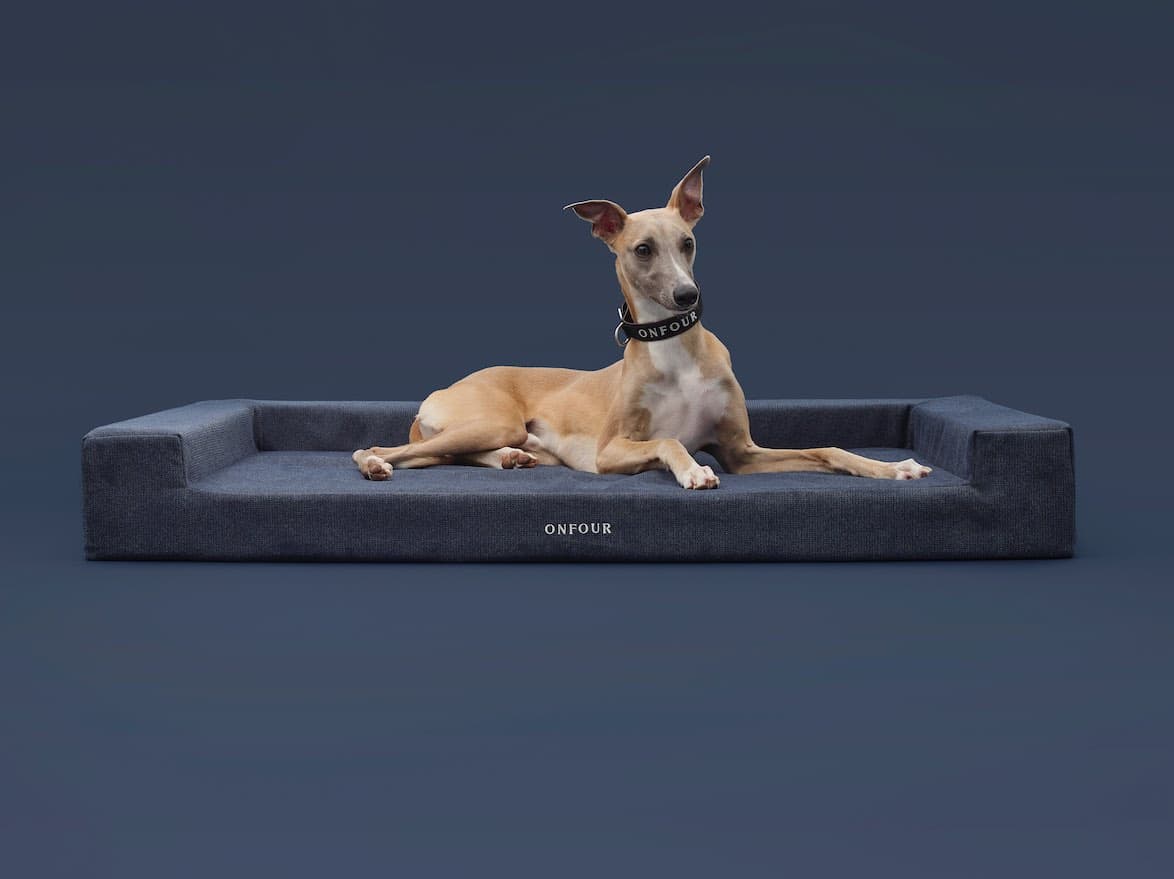
The pet industry perpetuates a countryside aesthetic despite most dog owners living in cities. Products feature golden retrievers bounding through meadows and tartan beds that clash with urban interiors. The founders — industrial designers from Conran — recognised that design-conscious city dwellers expect their pet products to match homeware standards like Aesop, HAY, and Muji, yet the market offered only twee or utilitarian options.
The core tension: nothing on the market looked like it belonged in their home.
Foundations
Purpose: Prove pet products deserve design standards equal to everything else in the home.
Mission: Create urban petware blending form, function, and durability for city dogs using European fabrics, minimal silhouettes, and home-conscious design.
Vision: A world where pet products are held to the same design standards as the rest of your life.
The founders weren't pet industry veterans — they were designers who became dog owners and couldn't accept mediocre options.
City dogs don't do country.
Audience
Design-conscious urban dwellers in London, Manchester, and Bristol who treat homes as curated spaces. They own dogs but refuse aesthetic compromise. They prefer buying quality once over replacing cheap items repeatedly. They already understand premium design through surrounding themselves with it.
The frustration: the pet industry talks to them like they live in the Cotswolds. They live in Hackney.
Landscape
Mass market: Pets at Home and Amazon Basics dominated with disposable, affordable products lacking identity or loyalty.
Heritage segment: Barbour, Mungo & Maud, and Lords & Labradors offered premium craftsmanship but exclusively rural aesthetics — waxed cotton, heritage checks.
Emerging players: Lovedog and Wild One (US) provided cleaner aesthetics, but the UK market lacked genuine design thinking combined with urban positioning and comprehensive product ranges.
The gap: The intersection of genuine design thinking, premium materials, urban positioning, and product range extending beyond accessories was wide open.
The pet industry has spent decades treating aesthetics as an afterthought.
Strategy
The strategic reframe: Onfour's real competition wasn't other pet brands but homeware companies like HAY. The benchmark wasn't "better than Pets at Home" but "belongs next to a HAY sofa."
Positioning: Design-led petware for urban living — not country, not cute, not novelty.
Five core values:
- Design-Led — Products solve design problems; form and function meet home aesthetic standards.
- Urban — Built for city dogs, small spaces, and pavement walks — reflecting actual customer life.
- Durable — Buy once, buy well. European fabrics engineered for longevity.
- Minimal — No novelty prints, cartoon bones, or paw patterns; clean lines and confident colours.
- Playful — Serious about design without being serious about everything; captures dog joy authentically.

Identity
Brand archetypes: Creator + Explorer.
Creator: Industrial design rigour applied to every element — European fabric sourcing, refined silhouettes, fashion-grade colour curation. The Creator doesn't decorate. It designs.
Explorer: Urban energy capturing city dog discovery — canal walks, park adventures, the dynamism of urban pet ownership.
Voice: Confident, urban, slightly irreverent. Speaks to design-conscious adults rather than sentimental pet parents. Balances technical specification with character.
The brand reads like a fashion label or design studio, not a pet brand.
Fashion-led essentials for four-legged city dwellers.
Finding the name
On four legs — the defining physical fact of dogs and what owners observe daily.
The name doesn't explain itself. It avoids "paws" or "pets." That restraint creates its cool factor. It reads as fashion or design brand, not pet retail. The compound structure mirrors active brands like OnRunning or Allbirds. It creates brand language: "on four" becomes a state of being.
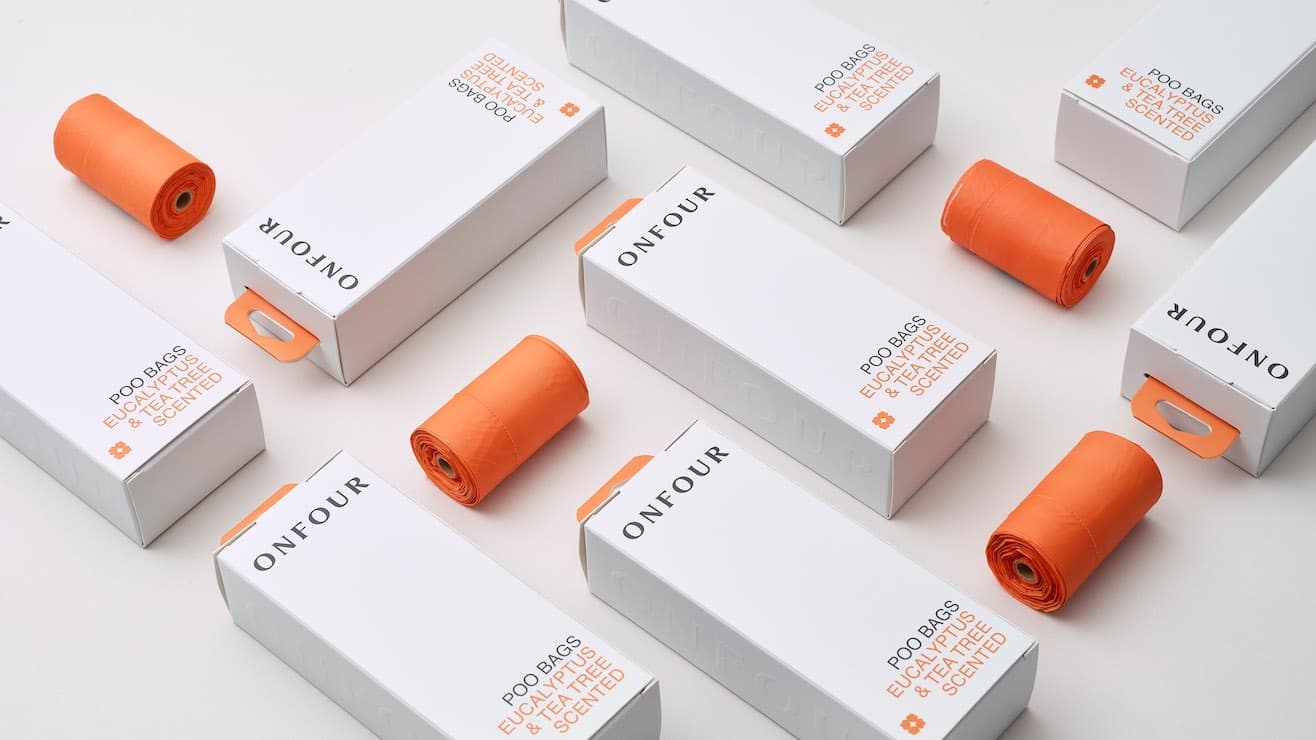
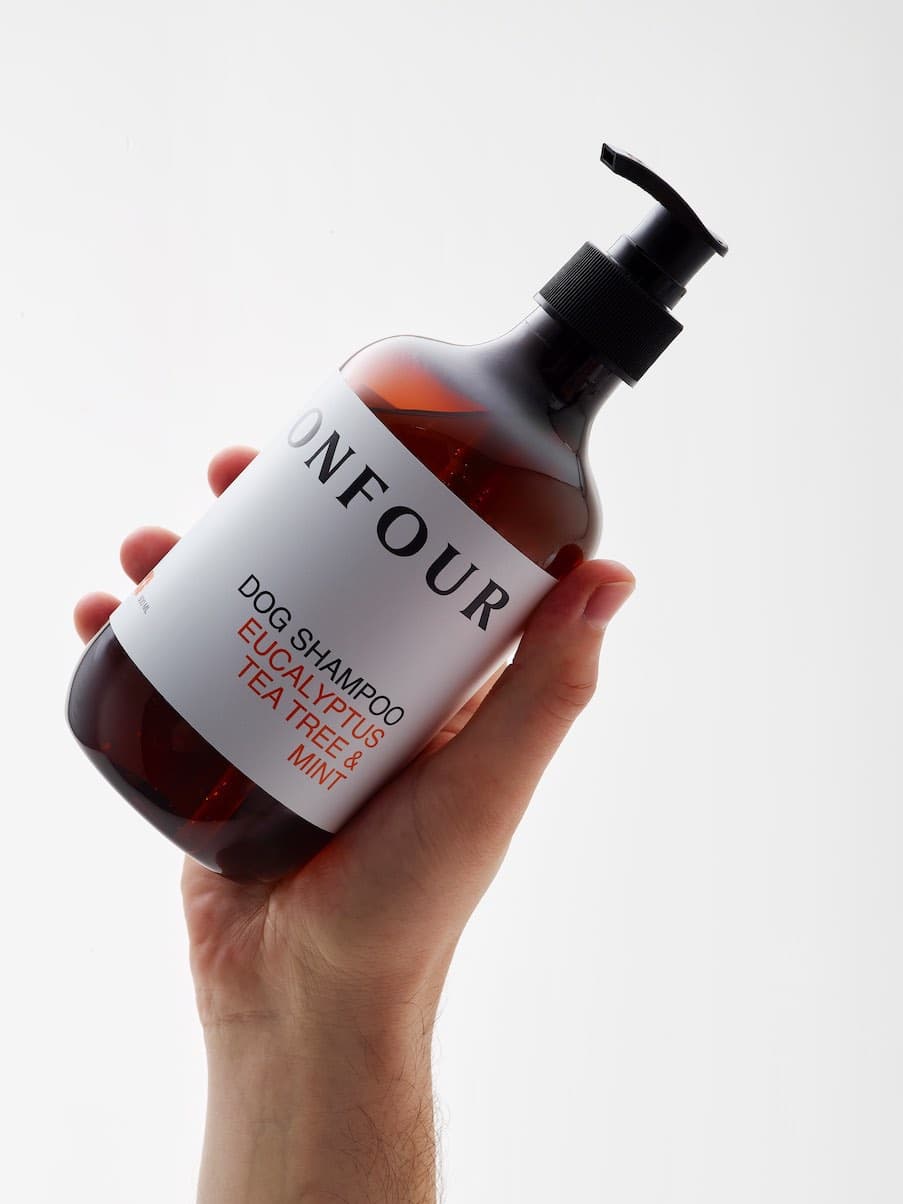
Onfour belongs on a tag sewn into a premium dog bed or embossed on a shampoo bottle with the same confidence as any lifestyle brand.
More case studies


Get a free Brand Strategy Snapshot
Get a taste of the strategic work we deliver in our paid packages, completely free. Answer a few questions and we’ll show you what most brands never figure out.